
 By Anna Jessica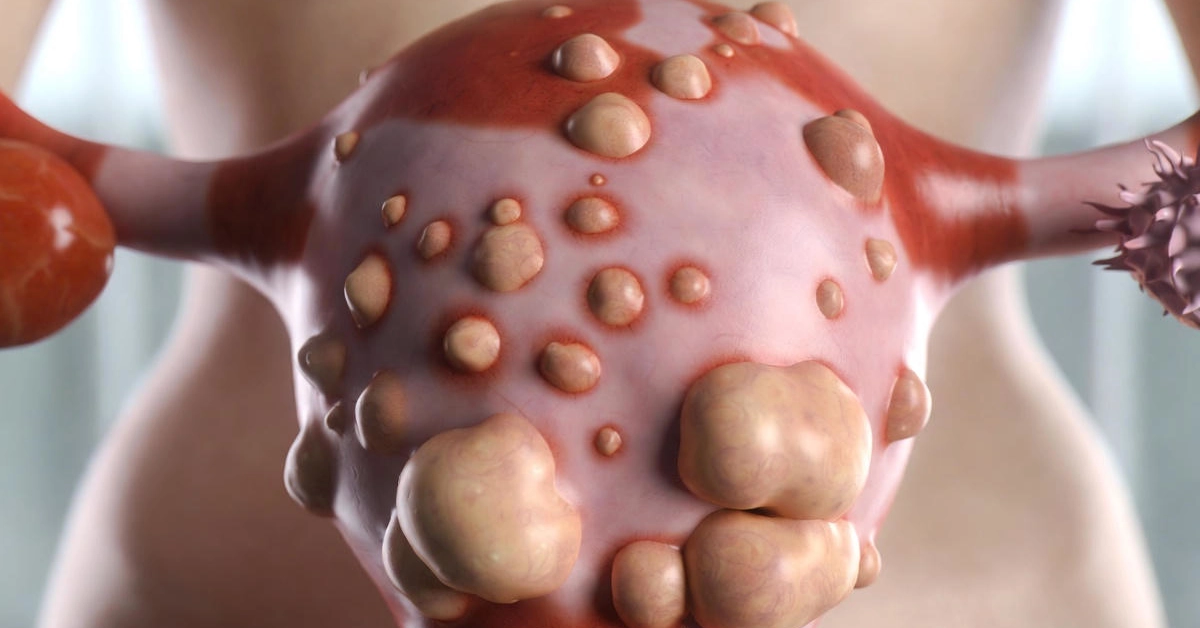
Have you typed “milyom” into Google, hoping to figure out that weird belly pain or endless heavy periods? You’re not alone—tons of women search this exact word every month. It is just another way people spell the Turkish term for uterine fibroids, those harmless but annoying lumps in the uterus. Let’s break it down simply, like we’re chatting over tea, so you know exactly what it is, why it happens, and how to handle it without stress.
Milyom growths show up in the uterus during your 30s or 40s mostly. They feel like extra tissue balls, from tiny seeds to big oranges. Most milyom cases cause no trouble, but when they do, life gets tough with bleeding or aches. We’ll walk through signs, fixes, and easy daily hacks using the latest 2025 info.
Key Takeaways
- It affects 20-40% of women in childbearing years, but 70-80% by age 50 notice nothing big.
- Easy habits like eating greens slow milyom growth without meds.
- 2025 options like sound-wave treatments shrink milyom fast, no knife needed.
- It turns cancerous in less than 1 in 1,000 cases—focus on comfort instead.
- Catch milyom early to avoid anemia or baby-planning worries.
What Is Milyom and Why Does It Form?
Think about your friend who always feels bloated, like she’s carrying a secret weight. That could be milyom at work. It means uterine fibroids—smooth lumps growing in or on the uterus wall. People search “milyom” because it’s a quick typo for the Turkish “miyom,” but it leads right here.
It comes in kinds: submucosal ones inside cause floods of blood, intramural in the middle push on everything, subserosal outside poke your back. Hormones estrogen and progesterone feed it, making it grow during monthly cycles. Family history ups your chance—if mom had this, watch out. Black women see it in 80% by 50.
One woman ignored her sister’s milyom story until pain hit hard. Numbers show it is rising worldwide, up 6.87% from 1990 to 2019. In Turkey, 25-30% of women deal with this. Good part? It often shrinks after menopause when hormones calm down.
Milyom Symptoms and Problems It Causes
It sneaks symptoms on you slowly. Heavy periods soaking pads hourly? Classic milyom sign, leading to tired blood from anemia. Pelvic pain feels like a fist squeezing inside, or pressure sends you to the toilet non-stop.
Rare but scary: milyom rupture brings sharp stabs, fever, or dizzy spells from inner bleed. Get help quickly if that hits. Milyom messes with pregnancy, too, raising miscarriage odds or needing C-sections. A swollen belly from a big milyom hurts self-confidence.
Picture skipping a beach day because milyom cramps ruin fun. A real story: one lady thought work stress caused her sex pain, but milyom pressed nerves. Left alone, it brings constipation or painful intimacy. Unlike endometriosis, which spreads widely, milyom stays as local lumps.
How Do Doctors Spot It?
Finding milyom is easy-peasy. The doctor feels it in a quick pelvic check. Ultrasound or MRI paints the full picture—2025 AI makes spotting spot-on accurate.
Head to the doc if periods go wild or pain lingers. Many learn about it by surprise at yearly visits. Take this example: a 38-year-old at a routine exam found milyom explaining her constant fatigue.
Spot milyom soon—delays hit 2-3 years average, but fast find lifts fix success to 80%.
Treatment Choices
Plenty of ways to handle it. Small ones? Just watch. Bothering you? Start gently. Embolization blocks milyom blood, shrinking 85-95% with one-day rest. HIFU zaps milyom with sound waves—no cuts, hot in 2025. Surgery options: myomectomy pulls milyom out but keeps the uterus, though 27% grow back.
Embolization beats old surgery—fewer poke, 1% infection chance, saves cash. Hack: Green tea or low-hormone eats help natural milyom shrink. The treatment world grow to $2.69 billion by 2027 through easy methods. 2025 brings gene fixes targeting milyom roots.
Tip list for milyom relief:
- Warm pad on belly eases daily aches.
- Iron pills fight anemia bleed.
- Birth control pills lighten periods.
- Avoid caffeine if pain spikes.
Milyom and Getting Pregnant
It blocks baby paths in 5-10% cases, twisting the uterus or tubes. Links to harder conception or loss risks. Fixes save the day—myomectomy keeps fertility strong. Hear this: a couple tried for years with it, post-embolization welcomed a kid.
Hack: Screen for its pre-pregnancy. Support chats ease infertility stress from milyom fears.
Stopping Milyom and Daily Habits
No full-proof stop for it, but smart moves cut odds. Hold weight steady—extra boosts hormones fueling it. Eat fiber veggies to flush bad stuff. Move daily: walks or yoga to balance the body. Red meat out, berries in—diet vs. pills: food is slower but safer. It fades naturally post-menopause. Back in 11% over the years.
Daily milyom prevention:
- Veggies every meal.
- 30-minute walks most days.
- Chill with deep breaths.
- BMI under 25 goal.
- No smokes—they worsen milyom.
Costs and Getting Help
Turkey milyom fixes: embolization 20,000-50,000 TL, myomectomy 40,000-70,000 TL. Insurance? Check coverage.
Far areas lack clinics, tele-doc steps in. Lady waited for the price, found a cheap public spot.
Hack: Compare three clinics, ask about payment plans. Early milyom care skips big bills later.
Conclusion
Milyom—also known as uterine fibroids—is common, manageable, and rarely dangerous. Whether you’re dealing with heavy periods, pelvic pressure, or fertility worries, early diagnosis makes every treatment easier and more effective. From natural changes to modern options like HIFU and embolization, there’s a solution for every woman. If your symptoms sound familiar, book a checkup soon and track your cycles. Small steps today prevent bigger problems tomorrow—and help you feel like yourself again.
FAQs
- What is milyom? Milyom is the Turkish word for uterine fibroids—non-cancerous growths in the uterus that cause heavy periods, pain, or pressure.
- What symptoms does milyom cause? Common milyom symptoms include heavy bleeding, long periods, pelvic pain, bloating, back pain, constipation, and anemia.
- Can milyom become cancer? Very rarely. Less than 1 in 1,000 fibroids turn cancerous, but regular checkups help rule out risks.
- How is milyom diagnosed? Doctors use a pelvic exam and an ultrasound. In 2025, AI-assisted imaging improves accuracy and detects small fibroids early.
- What is the best treatment for it? Treatments include embolization, HIFU, hormone therapy, or myomectomy. The “best” depends on symptoms, size, and pregnancy plans.
- Can I get pregnant with milyom? Yes. Most women still conceive, but large fibroids can block implantation or cause miscarriage. Removing problematic milyom improves fertility.
7. What natural methods shrink milyom?
A fiber-rich diet, green tea, exercise, weight control, and reducing red meat may slow growth. Natural methods support—but don’t replace—medical care.