
 By Anna Jessica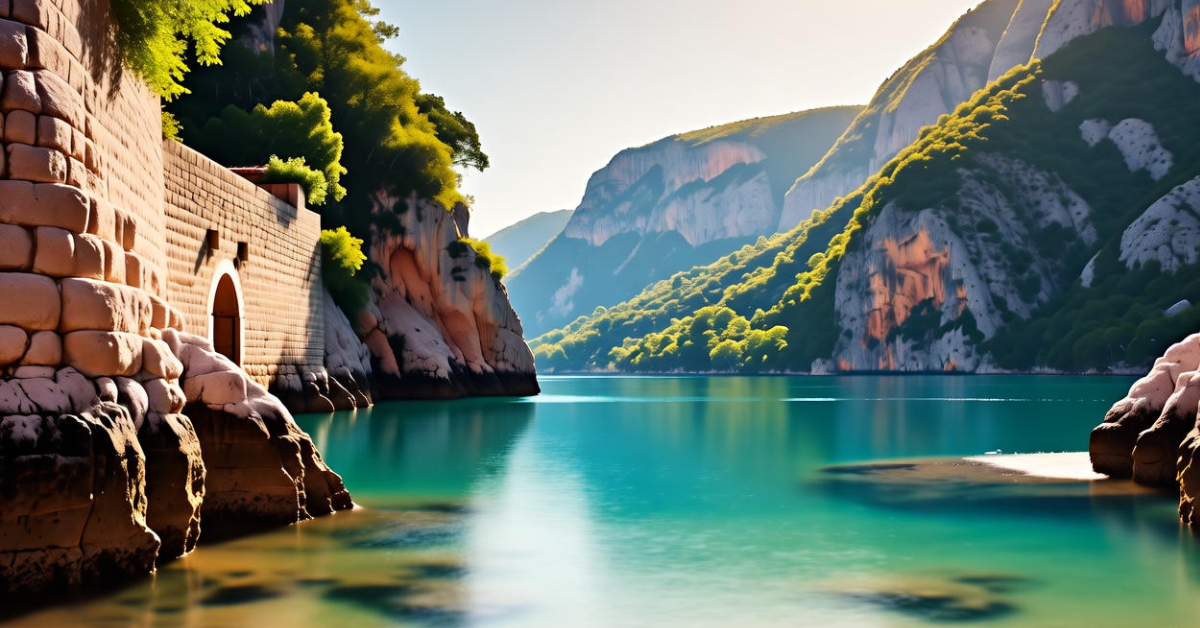
Have you ever tripped over a phrase that feels like it’s whispering secrets from some faraway corner of the world? “Kotora melnkalne” is exactly that—it’s this dreamy way of talking about Kotor, a little coastal jewel snuggled into Montenegro’s breathtaking Bay of Kotor. If you’re the type who daydreams about crumbling stone walls kissing turquoise water, this spot might just steal your heart. Let’s wander through what makes it tick, from secret alleyways to clever tricks for dodging the tourist crush.
Key Takeaways
- Kotora melnkalne wraps up Kotor’s mash-up of Venetian charm and Montenegro’s craggy peaks, luring more than 570,000 cruise passengers in 2024 alone.
- Slip in during May or September to sidestep the mobs and hop on eco-tours that keep the bay sparkling.
- Stretch 60 to 120 euros a day by crashing in budget digs and munching on local goodies like Njeguški pršut.
- UNESCO has had its back since 1979, safeguarding those medieval walls and the fjord views that stop you in your tracks.
- Easy trails like the Ladder of Kotor dish out jaw-dropping panoramas, especially now that 2025 is all about greener getaways.
What Is Kotora Melnkalne?
Imagine scrolling Instagram and landing on a shot of a town cradled by sheer cliffs and a glassy, fjord-like bay. Boom—that’s kotora melnkalne for you, a poetic spin on Kotor in Montenegro, where “melnkalne” nods to the country’s “Black Mountain” nickname with a Latvian twist. It’s the vibe of the Bay of Kotor, this dramatic Adriatic inlet ringed by the Orjen and Lovćen ranges, mixing centuries of stories with raw nature.
You’ll spot the phrase in travel chatter as a romantic shortcut to Kotor’s magic. People toss it around to spotlight the UNESCO-listed old town, where twisty lanes duck past ancient churches. If you love places that feel like a time machine, kotora melnkalne nails that itch.
Origins and Meaning
The backstory kicks off way back with Illyrian crews throwing up walls to keep trouble out. “Kotora” is just Kotor with flair, and “melnkalne” paints those shadowy, tree-packed mountains—picture it as the region’s old-school love letter. Bloggers in 2025 can’t stop swooning over it, calling it an Adriatic sleeper hit.
Say you’re sipping coffee with a local; they’d spin yarns about how the name conjures foggy bay mornings. It’s more than letters—it’s the heartbeat of a town shaped by Venetian merchants and Ottoman whispers. Stack it against plain-old “Kotor,” and kotora melnkalne sprinkles extra enchantment, perfect for standing out in searches.
Kotor’s Rich History
Kotor’s past unfolds like your favorite dog-eared novel, packed with plot twists from ancient days to today’s lively scene. It began as a Roman trading hub, then got a Venetian glow-up that gifted us massive walls and ornate churches. With Montenegro flirting with EU membership in 2025, popping over is smoother than ever.
Stroll those cobblestones and you can almost hear the centuries chatting. Empires came and went, but the town stays warm and welcoming. Numbers say around 21,916 folks in the wider area keep the old ways humming while tourism ramps up.
Key Historical Milestones
- Illyrian times saw the first stone barriers to scare off invaders, laying the groundwork for today’s wow-factor defenses.
- Venice took the wheel in 1420 for almost 400 years—they raised treasures like the Cathedral of St. Tryphon back in 1166, still turning heads.
- Jump to 1979: UNESCO swooped in to shield it, tacking on extras in 2015 for the walls. That’s kept the magic alive for countless visitors.
A pal of mine once spotted faded graffiti on a wall—it sparked an entire afternoon of treasure-hunting. Unlike Rome’s hustle, Kotor’s history feels like it’s just for you.
Cultural Traditions Today
Locals keep the spark with klapa tunes, those soulful harmonies bouncing off the water, plus rakija shots that chase away the evening chill. Boka Night lights up the bay with glowing boats, pulling everyone in for a slice of Adriatic joy.
The Aquarium Boka has welcomed 8,000 curious souls since 2021, showing off sea critters tied to local lore. Croatian festivals can feel polished to death; Kotor’s are raw and real. Drop into a family-run spot for dinner—it’s the fastest way to feel at home.
Top Attractions in Kotor
Kotor’s highlights are tough to top, from the maze-like Old Town to islands sprinkled across the bay. UNESCO loves how the buildings play nice with the scenery, dishing out postcard moments left and right. Travelers gush about the salty breeze and stones that whisper tales.
Whether you’re camera-happy or just soaking it in, these places deliver big. Crowds bugging you? Hang tight—we’ll sort that soon.
Must-See Sites
- Cathedral of St. Tryphon shines with its old-school curves and sacred bits—climb up for a sky-high bay peek.
- Ferry over to Perast for Our Lady of the Rocks, an island locals literally built by tossing rocks for ages; total quirky win.
- Tackle the fortress—1,300 steps reward you with insane views. Hack: Bring water and start at sunrise to dodge the heat.
Picture gliding in by boat, waves slapping as these icons pop into view. It’s history you can touch, way livelier than dusty displays.
(Note: Suggest snapping the Cathedral of St. Tryphon with the bay behind it—pure eye candy.)
Hidden Gems Off the Path
- The cat museum celebrates Kotor’s whiskered locals—strays rule here, complete with festivals in their honor.
- Slip into Church of St. Nicholas for peaceful frescoes, far from the main drag.
- Markets dish out Njeguški pršut and Vranac wine—snag some for a bay-side picnic.
These quiet corners cure the “too many selfies” blues. For chill vibes, try eco-trails around the water; they’re way calmer than the fortress rush.
Planning Your 2025 Visit
Tourism jumped 9.6% in 2024, so Kotor’s buzzing, but a little prep keeps the fun flowing. Most folks linger 2-3 days—ideal for a quick getaway. Match the plan to your vibe, whether you crave hikes or lazy waterfront afternoons.
Steep bits can trip you up; if wheels or stamina are concerns, shuttles save the day. Let’s map it out so you’re set.
Best Time and Getting There
- May or September bring comfy temps and breathing room—summer swells to 5,000 bodies a day.
- Land at Tivat Airport, a quick 10km hop, or road-trip from Dubrovnik for killer scenery.
- Buses and boats keep wallets happy, roughly 50-100 euros daily with food tossed in.
Flying direct to Croatia costs more; this way saves bucks and gifts extra coastal eye-feasts. My buddy drove the route and swore the drive alone was half the fun.
Accommodation and Budget Tips
- Crash in hostels for 30-50 euros, or treat yourself to hotels topping 100 in peak season.
- Use apps to cap daily spends at 120 euros—konobas serve fresh plates on the cheap.
- Eco-lodges feel good and do good for the bay; cozy bonus.
Prices crept up 15% since 2023, but shoulder seasons soften the blow. Vegan crew? Locals tweak classics—just ask.
Itinerary Ideas
- Day 1: Meander Old Town, pop into the cathedral, chill with local vino.
- Day 2: Boat to Perast islands, then kick back bayside.
- Day 3: Conquer Ladder of Kotor for epic pics, then graze market treats.
This rhythm trumps jam-packed tours by leaving space to breathe. Tweak for kids—swap hikes for beach play.
(Note: Suggest a simple map tracing the 3-day loop—makes daydreaming easier.)
Overcoming Common Challenges
Every trip has hiccups, and Kotor dishes a few, like jammed streets and bay pressure. Around 40% of reviews gripe about iffy service, but workarounds exist. Let’s fix what bugs most.
Boat exhaust is a growing worry—pick green rides to pitch in.
Dealing with Crowds
- Hit spots before 9 AM or after 5 PM; 2025 timed tickets shaved waits 20%.
- Book small eco-groups over mega-tours for elbow room.
- Venice drowns in people; Kotor caps cruises, so it’s friendlier.
Imagine weaving past selfie sticks—duck into a side street and poof, serenity. Works like a charm.
Accessibility and Safety
- Grab e-bikes for hills; shuttles handle fortress climbs.
- Crime’s rare—95% of solo wanderers feel safe, says Tripadvisor.
- Guard bags in crowds to dodge pickpockets.
These moves flip obstacles into no-brainers. Families, skip strollers on cobbles—baby carriers win.
Sustainable Travel Practices
- Stick to low-key trails and reusable bottles to lighten your footprint.
- Chip in for stray cat care; tourism stresses the furry crew.
- 2025 guides push climate-smart paths—follow those.
Travel pros say ditching single-use plastics guards the bay for tomorrow. Tiny habits, huge impact.
FAQs
What is Kotora Melnkalne? Kotora melnkalne poetically describes Kotor in Montenegro, highlighting its Bay of Kotor and Black Mountain essence, a UNESCO site blending history and nature. (28 words)
Best time to visit Kotor? May or September offers mild weather and fewer crowds than summer peaks, ideal for hikes and bay tours amid 2025 tourism trends. (24 words)
How to get to Kotor? Fly into Tivat Airport (10km away) or drive from Dubrovnik; buses and ferries provide affordable options for Adriatic access. (21 words)
Is Kotor worth visiting? Yes, for its stunning fjord views, medieval Old Town, and cultural festivals, despite overtourism—570,000 cruise visitors in 2024 confirm its appeal. (26 words)
Hidden gems in Kotor? Explore the cat museum, Church of St. Nicholas frescoes, and quiet Perast islands for authentic experiences beyond the main fortress. (22 words)
Kotor budget tips? Plan €60-120 daily; stay in hostels, eat local cuisine like Njeguški pršut, and visit off-peak to avoid inflated 2025 prices. (23 words)
There you go—kotora melnkalne isn’t just fancy words; it’s your ticket to Kotor’s wonders. Pack light, pick a quieter month, and dive into Bay of Kotor memories. What’s holding you back from hitting “book”?