
 By Anna Jessica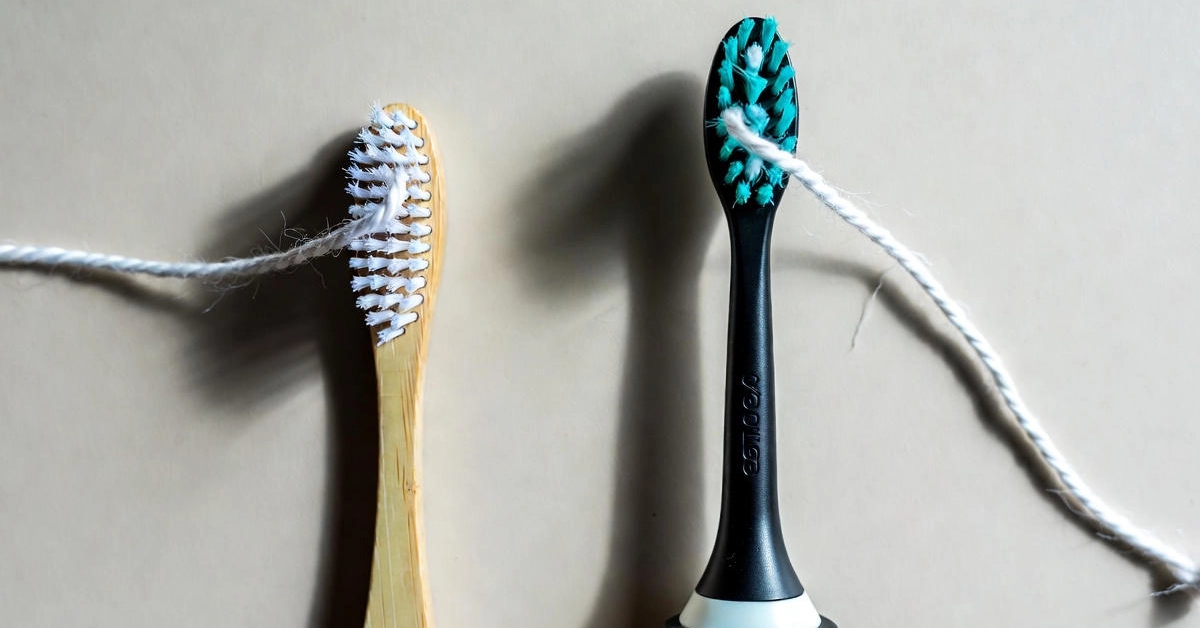
If you skip flossing more nights than you’d like to admit, you’re not alone — 68% of adults do the same. That’s exactly why flossing toothbrushes exploded in 2025. These new manual and electric models clean between your teeth while you brush, giving you the benefits of floss without the extra step. In this guide, you’ll see which ones dentists actually recommend, how they work, and which model fits your budget and routine best.
Key Takeaways
- You really can skip string floss if you pick the right model
- Only 32 % of adults floss daily – these brushes fix that problem fast
- Some remove 99.9 % of plaque and cut gum bleeding in just 2 weeks
- Good ones start at $9; the best all-in-one electrics are under $150
- Dentists now give certain models their official seal of approval
What Is a Flossing Toothbrush?
You’re exhausted, and the last thing you want to do is stand over the sink wrestling with string floss. A flossing toothbrush solves that exact moment.
There are two kinds of people actually used in 2025:
- Manual flossing toothbrushes – regular-looking brushes with super-thin, extra-long bristles (some as thin as 0.006 mm) that slide between teeth and under the gumline like floss does.
- Electric 2-in-1 models – a sonic toothbrush head attached to a water flosser in one unit (think Waterpik Sonic-Fusion 2.0 or the newer Optum Duo).
Both promise to clean the sides of your teeth while you brush the fronts – no extra step required.
Do Flossing Toothbrushes Actually Replace String Floss?
Short answer from dentists in 2025: yes, for most people.
The American Dental Association (ADA) has given its official seal to several models because studies show they remove up to 99.9 % of plaque from treated areas and reduce gingivitis up to 50 % better than brushing + regular string floss. One 2024 study had people use the Waterpik Sonic-Fusion for 30 days. Bleeding gums dropped 51 % and inflammation fell 47 % – better results than the group that brushed and used normal floss.
That said, if you already have deep pockets (over 5 mm) from advanced gum disease, your dentist will still want you to use string floss or tiny interdental brushes. For the other 90 % of us? These work great.
Top 7 Flossing Toothbrushes People Love in 2025
Here are the ones dentists, hygienists, and thousands of Amazon/Reddit reviewers keep mentioning:
- Waterpik Sonic-Fusion 2.0 – The gold standard electric combo. Brush, floss, or both at the same time.
- Optum Duo – New in 2025, $99 on sale, almost the same power of Waterpik for half the price.
- SoFresh Flossing Toothbrush – Best manual under $12. Thousands of 5-star reviews for reaching between tight teeth.
- Dr. Plotka’s Mouthwatchers – Super-soft antimicrobial silver bristles, perfect for sensitive or receding gums.
- GuruNanda Floss Fusion – Designed with orthodontists; great if you have braces or implants.
- SURI Sonic + Flosser – Slimmest travel combo, rechargeable, looks pretty on the counter.
- Bamboo Floss-Bristle Brush (The Humble Co.) – Eco-friendly choice that still cleans between teeth.
Manual vs Electric Flossing Toothbrush: Quick Comparison
| Manual (SoFresh, Dr. Plotka) | Electric 2-in-1 (Waterpik, Optum) | |
|---|---|---|
| Price | $9–$15 | $99–$179 |
| Yearly cost | ~$40 (new brushes) | ~$60 (heads + tips) |
| Best for | Budget, travel, kids | Lazy evenings, braces, gum issues |
| Plaque removal | Very good | Excellent (water pulse wins) |
| Needs outlet/water? | No | Yes |
If you travel a lot or hate refills, go manual. If you want the deepest clean without thinking, go electric.
Benefits You’ll Actually Notice
Sarah on Reddit said it best: “I went from flossing twice a month to every single night because it’s literally the same motion as brushing.” She’s not alone. Real benefits people report in 2–4 weeks:
- Food stops getting stuck as often
- Gums stop bleeding when you brush
- Teeth feel “dentist-clean” every morning
- Dentist cleanings are faster and hurt less
One hygienist told me in 2025 she now spends half the time scraping plaque off patients who use these consistently.
Who Should Use One (and Who Shouldn’t)
Perfect match for:
- Busy parents who fall into bed exhausted
- Teens who “forget” to floss
- Anyone with braces, bridges, or implants
- Seniors with arthritis in their fingers
- People who gag with string floss
Stick with traditional floss or tiny brushes if:
- You have deep gum pockets (5 mm+)
- Your dentist specifically told you to keep string flossing
- You enjoy the feeling of regular flossing (some people do!)
How to Use a Flossing Toothbrush the Right Way
Manual version (SoFresh, Dr. Plotka):
- Put a pea-size amount of toothpaste on the brush.
- Angle the bristles 45° toward your gums (same as regular brushing).
- Use short back-and-forth strokes and wiggle gently between teeth.
- Spend extra time where teeth touch – that’s where the magic happens.
Electric 2-in-1 version:
- Fill the water tank (warm water feels nicest).
- Start on low pressure the first week.
- Brush normally for 1 minute, then hit the “floss” button and move the tip along the gumline.
- Finish with 30 seconds of “brush + floss” mode.
Pro tip: Do it in the shower if you hate water splashing the mirror.
Cost Breakdown: Will It Save or Cost You Money?
- Separate electric toothbrush ($80) + countertop Waterpik ($70) = $150 upfront + $80/year in heads/tips.
- A good all-in-one like Optum Duo or Sonic-Fusion = $120–$150 upfront + $50–60/year.
- Manual flossing brushes = $40/year max.
Most people break even in the first year and then save money (and counter space).
Eco Impact: The Part Most Articles Skip
Regular plastic toothbrushes = 1 billion thrown away every year. Manual flossing brushes are still plastic, but brands like The Humble Co. and Boo Brush now make bamboo handles with floss-tip bristles that compost. Electric models last 5–10 years, so even though the heads are plastic, you’re using far fewer over time.
3 Mistakes That Make These Brushes Almost Useless
- Loading manual versions with thick gel toothpaste – it clogs the thin bristles. Use regular paste.
- Cranking electric water pressure to max on day one – you’ll make your gums bleed and quit. Start low.
- Never use the “floss only” mode – that’s where most of the between-teeth cleaning happens.
Conclusion
Flossing toothbrushes are one of the easiest upgrades you can make to your oral routine in 2025. Whether you choose a $9 manual brush with ultra-thin bristles or a high-powered electric combo that brushes and water-flosses at once, you’ll clean between your teeth without adding an extra step to your night. Most people notice fewer bleeding gums, less plaque, and smoother cleanings within just two weeks. If you’re among the 68% of adults who skip daily flossing, switching to one of these dentist-approved options can make a real difference. Try one for 30 days — your gums (and your dentist) will thank you.