
 By Emly Austen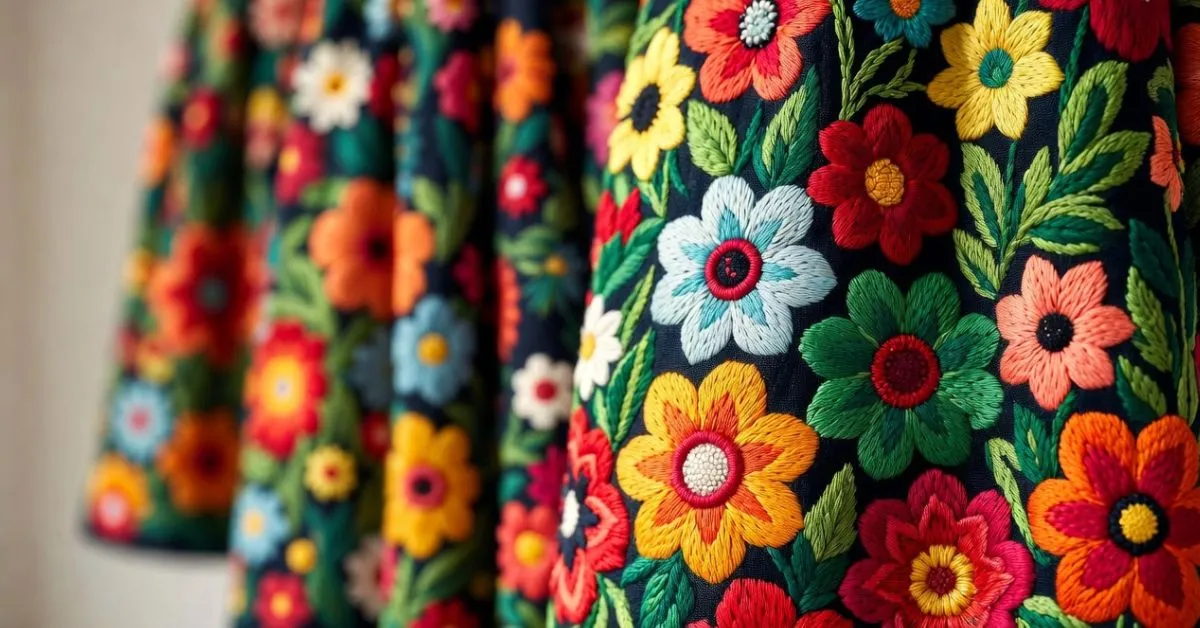
Hey, ever seen those stunning Polish folk skirts covered in big, happy flowers? That’s tybety fabric in action. Let’s chat about its Tibetan roots, how it’s made today, easy care tips, fun ways to use it, and where you can actually buy some in 2026.
Emily, picture yourself at a summer wedding in the Polish mountains—fiddle music, laughter, and women twirling in skirts that look like living bouquets. The fabric making all that color pop? That’s tybety. It’s one of those things that feels both old-fashioned and totally alive, especially around Podhale.
I love how a single piece of cloth can tell such a big story. Maybe you’re dreaming of sewing your own festival outfit, adding a folk touch to your living room, or just curious why this highlander material keeps showing up in photos and markets. Grab a coffee and let’s walk through it together like friends catching up.
Key takeaways
- Tybety started with wool carried all the way from Tibet and became a mountain-village must-have.
- Almost everything sold now is cotton or a cotton-poly blend—lighter, easier to wash, same gorgeous flowers.
- Wool versions feel extra special and cozy; blends are more forgiving for real life.
- People turn it into costumes, modern dresses, pillows, table runners—you get the idea.
- A little gentle care keeps those bright patterns looking fresh for years.
What’s the Deal with Tybety Fabric Anyway?
Tybet (just the singular) is basically a twill fabric—you know, that soft diagonal texture that makes it sturdy yet drapey. The name is super straightforward: “Tybet” is Polish for Tibet because the original wool came from sheep and goats up in those high pastures.
Late 1800s, merchants hauled rolls of this wool cloth into Poland via old trade routes through Austria-Hungary. Women in the southern hills tried it and went “yes please”—it was warm, tough, perfect for snowy days. They made skirts, aprons, scarves, the works.
Come the 1920s, Polish factories got clever. They started printing giant roses and poppies right onto local cloth—cotton, sometimes wool—and suddenly tybety was everywhere, affordable, and unmistakably Polish. The Ethnographic Museum in Krakow still displays old pieces and explains how that printing step turned imported wool into a true folk icon.
How Tybety Found Its Home in Poland
So how does fabric travel from Tibetan mountains to Polish wardrobes? Shepherds raised animals for thick fleece, wove it into cloth, and traders brought it west. When it reached the Tatra foothills near Zakopane, local women immediately saw how well it worked for their cold climate and busy lives.
They wore it daily and for special occasions. Around 1900, mills in Łódź jumped in—producing their own versions, often mixing in cotton—and hand-painting-style flowers became the signature. Prices dropped, more families could join in, and the style spread across Małopolska.
By the 1920s this floral fabric ruled regional costumes. Long skirts with matching scarves were a way to show pride and personality. In the 1970s designers even carried it into city fashion, mixing mountain tradition with contemporary lines. Today you’ll still see it at folk festivals, family parties, and cultural events—always bringing everyone a little closer together.
The Different Styles and Those Beautiful Patterns
Old-school tybet was straight wool: warm, a bit fuzzy, great against wind and wear. The twill weave gave it lasting strength, and the flowers—whether dyed or printed—made each skirt feel unique.
Now almost all tybety is bawełniany (cotton) or cotton-polyester. Cotton breathes nicely and feels light; polyester keeps colors sharp longer and resists shrinking. You still get the classic joyful blooms everyone loves.
Think red backgrounds with medium roses, blue sprinkled with tiny flowers, green carrying big poppies—sometimes hearts or leaves tucked in. It’s romantic and nature-inspired, nothing like the rigid plaids of Scottish tartan. Newer silky crepe imitations are extra smooth, flow beautifully, and barely wrinkle—ideal if you want something low-maintenance.
Fun Ways People Use Tybety These Days
Nothing compares to seeing tybety in full swing at a Górale gathering—skirts swirling, scarves fluttering, the whole place alive with color and motion.
But it doesn’t have to stay traditional. Lots of folks sew modern skirts or blouses for a subtle cultural nod. Add a strip to a jacket, make cozy throw pillows, or create a vibrant table runner—the flowers make any spot feel warmer and more inviting.
Imagine you’re throwing a casual family dinner with a Polish twist. You stitch a quick runner from floral tybety, set it on the table, and boom—the room feels festive. People ask about the pattern, you share a quick story, and suddenly the evening has extra heart. Or picture helping a niece prep for a school heritage day: whip up a simple skirt together, and she walks in beaming with pride.
Even people far from Poland save scraps for memory quilts, baby blankets, or little gifts that keep family stories going.
Spotting the Real, Quality Stuff
Want to avoid duds? Touch it—the twill ridges should be visible and feel smooth. Wool has a gentle fuzz and holds warmth. Prints need to be clean and crisp, no blurry edges.
Trustworthy sellers list the exact makeup—wool, cotton, blend—and show good close-ups. Figure $19–$25 a yard for nice quality (that’s what places like Polart Center are charging right now in 2026). Wool runs higher since it’s scarcer.
Shop from folk-textile specialists—Krakow stalls, reliable online stores. Read descriptions carefully and check reviews so you skip thin fakes that fade fast. If you want something extra authentic, go for hand-printed or locally woven—it carries that true Podhale feeling.
Keeping Your Tybety Looking Great
Wool tybety wants gentle love, like your favorite soft sweater. Cool water, wool detergent in a basin. Swish up suds, ease the fabric in, press lightly—no rough scrubbing.
Rinse in cool water with a splash of white vinegar to lock colors and clear soap. Roll in a towel to blot, then lay flat in a shaded spot—no radiators or sun.
Cotton-poly blends are easier: gentle cold machine cycle, mild soap, air dry flat. Quick tip—test a tiny hidden corner first if you’re worried. A couple minutes of care now means those flowers stay bright much longer.
Why Tybety Can Be a Kind Choice Too
Original wool came from far-off Tibetan herds, so the travel distance and animal care raise fair questions. Modern versions mostly use cotton grown much nearer to Poland, shortening the chain.
Durable material lasts years, so you buy less often. Some blends sneak in recycled fibers to cut waste a little. Buying from small artisans who print or weave by hand helps keep local families going and traditions breathing.
Nothing’s perfect, but choosing well-made tybety that sticks around is an easy, practical way to be kinder to the planet.
Where to Get Tybety Right Now
Online is super convenient. Polish sites stock bolts in classic combos—red roses, blue poppies, green meadows. Many ship internationally; just note any customs costs.
If you’re traveling near Kraków or Zakopane, stop into a fabric market or shop. Feeling the cloth, seeing real colors, and chatting with sellers who know the history is unbeatable.
Specialty sellers show exact yardage and patterns, often with discounts for bigger orders. Whether you’re making one project or stocking up, starting with a dependable source makes everything smoother.
FAQs On tybety-fabric
What was tybet made from at the beginning?
Pure wool from Tibetan sheep or goats—warm twill cloth imported in the late 1800s. Now almost everything is cotton or cotton-poly blend for easier care, but the flower prints stay true to tradition.
How do I wash tybety without ruining it?
Wool: cool basin, wool soap, gentle press, vinegar rinse, flat dry away from heat. Blends: cold gentle machine, air dry. Always test a small spot first—saves headaches later.
Why is it called tybet or tybety?
From “Tybet”—Polish for Tibet—because early wool came from there. The name stuck even after Polish mills started printing their own floral designs on local fabric.
Is today’s tybety more planet-friendly?
Early wool traveled long distances, but modern cotton and blends use closer sources and last longer, meaning less waste. Supporting local makers adds to the good vibes.
What patterns are classic on tybety?
Big or small flowers—roses, poppies, sometimes hearts or leaves—on red, green, blue, cream, or black backgrounds. They feel lively and full of highlander meadow energy.
What’s a normal price for tybety?
Quality yards go for about $19–$25. Wool is pricier because it’s rarer; cotton blends stay easier on the budget. Bigger amounts often come with discounts.
There you have it, Emily—that’s tybety in a nutshell. It’s simple fabric with a big heart, carrying stories and color wherever it goes. Pick up a yard when the mood strikes, try a little project, and see how those flowers brighten everything. If you make something pretty, tell me about it—I’d really love to know!