
 By Anna Jessica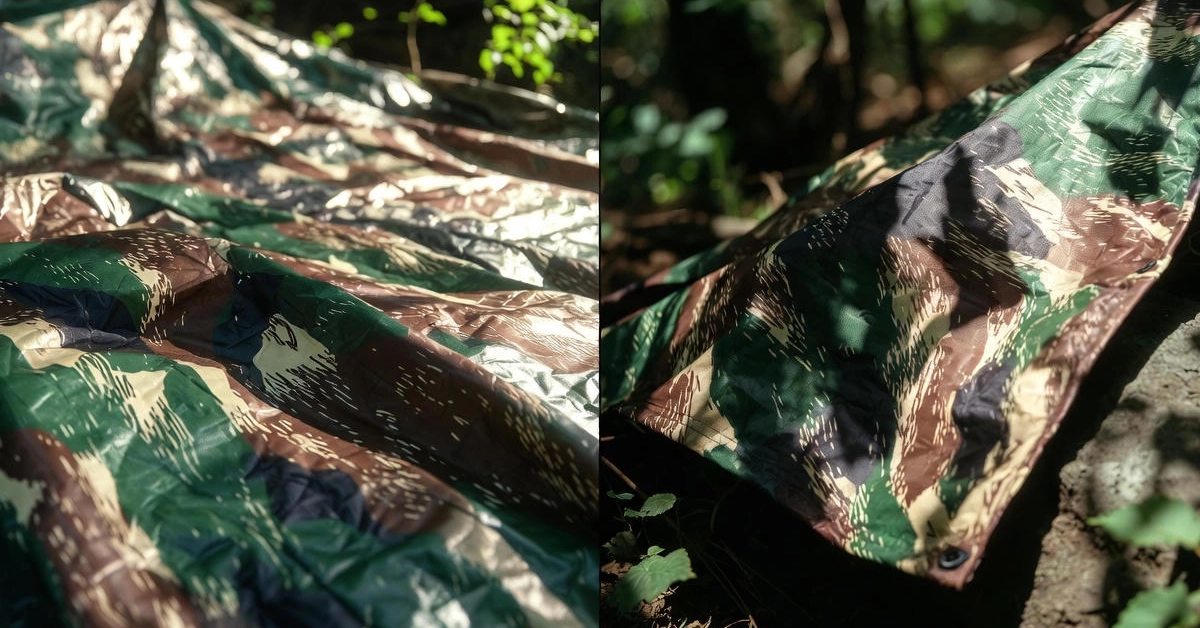
Imagine you’re deep in the forest, rain starts pouring, and your bright-blue hardware-store tarp screams “look at me!” from a mile away. That’s exactly why I switched to a tarnplanen five years ago—and never looked back. Lightweight, quiet, and fully waterproof, a proper camouflage tarp doesn’t just keep you dry—it lets you disappear into nature. In this guide, I’ll show you the best tarnplanen of 2025, clever setup tricks, repair tips, and how to choose the one that fits your adventures perfectly.
Key Takeaways
- A solid tarnplanen weighs under 2.5 kg and easily lasts 5+ years
- Ripstop nylon with PU coating is the 2025 gold standard
- With 8–12 strong grommets, you can set up a shelter in under 5 minutes
- A €12 repair kit basically makes your tarp indestructible
- Eco-friendly recycled tarnplanen are finally affordable
What Exactly Is a Tarnplanen?
Simple: a waterproof tarp printed in camouflage colors. Originally developed to hide tanks and tents for the German military, today campers, hunters, and wildlife photographers use them to stay dry and invisible. The big difference from a normal blue tarp:
- Almost no light reflection (animals and night-vision can’t spot you)
- Much quieter when the wind moves it
- Way tougher fabric that doesn’t tear easily
Materials Compared – What’s New in 2025
I’ve tried pretty much everything out there. Here’s the current ranking:
- Ripstop nylon + PU coating → super light (70–100 g/m²), tear-proof, quiet. My personal favorite.
- Polyethylene (PE) → cheap, a bit heavier, louder crinkle – great as a backup.
- PVC-coated → bombproof and cheap, but heavy and noisy. Perfect for car camping or permanent covers.
Hot in 2025: many brands now use recycled nylon – same performance, way better for the planet.
The Buying Criteria That Actually Matter
Save yourself from expensive mistakes – check these five points first:
- Size & weight: 3×3 m and under 1.5 kg is ideal for 1–2 people
- Grommets: at least 8–12 reinforced ones (metal or thick plastic)
- Water column: 3,000 mm is plenty – anything higher is just marketing
- Camo pattern: woodland and flecktarn work best in Central Europe
- Taped seams: without them, every tarp leaks eventually
Choosing the Right Size for Your Adventure
Not all tarps are created equal. For solo campers, a 2.5×2.5 m tarp is usually enough to cover your gear and sleeping area. For two people, go for 3×3 m, which provides space without adding excessive weight. Larger sizes are great for group camping, but remember: bigger tarps are heavier and take longer to pack. Always balance weight, coverage, and portability before making your pick.
Top 8 Tarnplanen 2025 – Hands-On Tested
- Aqua Quest Defender 3×3 m – 1.1 kg, 10-year warranty, simply perfect (~$140)
- DD Tarp 3×3 m – 800 g, unbeatable weight, my everyday carry (~$80)
- German Army Surplus Flecktarn – 1.8 kg, almost indestructible, often under $45 used
- Decathlon MT900 Camo – 1.4 kg, best bang-for-buck ($65)
- Snugpak Stasha Pro – 550 g, ultralight dream (~$120)
12 Clever Setup Ideas That Actually Work
- A-Frame roof – classic rain protection, 2-minute setup
- Lean-To – perfect wind and rain shield on one side
- Diamond setup – great for solo with lots of gear
- Hammock combo – tarp as rain fly above the hammock
- Wildlife hide – add branches and animals walk within 15 feet
Last year, I photographed deer from 25 feet away – they never knew I was there.
How to Repair a Tarnplanen in 10 Minutes Flat
Two years ago a branch ripped my favorite tarp. Instead of throwing it away:
Clean → slap on Tenacious Tape → wait 5 minutes → stronger than new!
My €12 repair kit contains:
- 3 rolls of camo Tenacious Tape
- 2 big nylon patches
- Aquaseal Neo for sealing seams
Since then, none of my tarps have died.
Sustainable Tarnplanen in 2025 – Finally Here
Aqua Quest and DD Hammocks now make models from recycled fishing nets and PET bottles. Same strength, same waterproofing – only 10–20 % more expensive. Totally worth it for me.
Tarnplanen vs Tent – Which Wins?
| Tarnplanen | Tent | |
|---|---|---|
| Weight | 0.8–2.5 kg | 2–5 kg |
| Packed size | Tiny | Bulky |
| Price | $40–150 | $150–600 |
| Setup time | 2–10 min | 5–20 min |
| Ventilation | Excellent | Often stuffy |
I’ve been running tarp + bivy sack only for years. Saves weight and cash.
Why Tarnplanen Beats a Traditional Tent
Many outdoor enthusiasts stick to tents out of habit, but a tarnplanen offers unique advantages: it’s lighter, packs smaller, and sets up in minutes. Unlike tents, tarps are quieter in the wind—perfect for wildlife photography or stealthy hunting. You also get excellent ventilation, reducing condensation inside your sleeping setup. If you combine it with a bivy sack or hammock, you can enjoy maximum mobility and minimal weight on long treks.
Easy Maintenance Tips to Extend Lifespan
A high-quality tarp can last 5+ years if maintained properly. Simple steps make a big difference:
- Always dry your tarp before packing to prevent mold and mildew.
- Clean dirt and debris off the surface with a damp cloth.
- Reapply waterproofing annually, especially on seams.
- Store it loosely folded or rolled in a dry place, avoiding tight compression.
Following these tips ensures your Tarnplanen 2025 keeps performing even in harsh conditions.
Smart Accessories to Maximize Performance
Enhance your tarp setup with a few key accessories:
- Aluminum stakes: lightweight, strong, and easy to drive into the ground.
- Extra guylines: prevent grommet tearing during high winds.
- Reflective cords: help locate your tarp at night without scaring animals.
- Repair kits: Tenacious Tape and seam sealers for quick fixes in the field.
These small investments make your tarp setup safer, longer-lasting, and more versatile.
The 3 Most Common Mistakes (I Made Them Too)
- Bringing only 4 guylines → grommets rip out in wind
- Packing the tarp wet → mold surprise next spring
- Buying cheap imports without taped seams → soaked after two rainy nights
Eco-Friendly Options in 2025
Sustainability is finally becoming mainstream. Leading brands like Aqua Quest and DD Hammocks now make tarps from recycled fishing nets and PET bottles. Performance is identical to traditional materials, but with a significantly lower environmental footprint. Even if it costs 10–20% more, choosing a recycled model is a small price for a greener adventure.
Conclusion
Whether you’re camping, hunting, or photographing wildlife, the right tarnplanen can make or break your outdoor experience. For beginners or budget-conscious adventurers, the German Army Surplus or Decathlon MT900 is perfect. If weight matters most, go for the DD Tarp 3×3, and for unbeatable quality, nothing beats the Aqua Quest Defender. Follow the setup tips, keep a repair kit handy, and invest in a recycled model if you want to stay eco-friendly. The next downpour won’t catch you off guard—you’ll be dry, hidden, and ready for whatever nature throws your way.